Unpacking the Appeal: The "Hiking is Just Walking" T-shirt Design Phenomenon
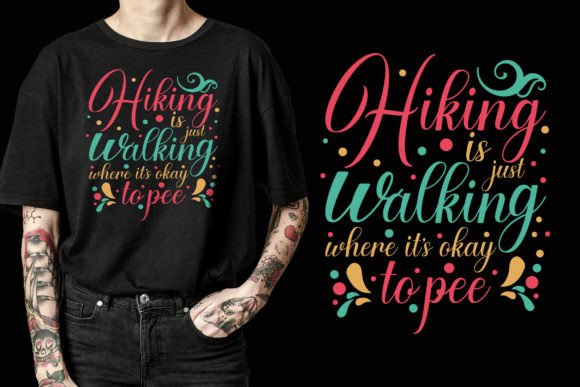
In the vast and diverse world of apparel design, a simple phrase can sometimes capture a profound sentiment, becoming a wearable piece of cultural commentary. The "Hiking is Just Walking" t-shirt design is one such example. At its surface, it presents a humorous, almost irreverent take on the serious outdoor pursuit of hiking. Yet, this typography-driven concept encapsulates a broader design philosophy and market trend that resonates with creators, consumers, and entrepreneurs alike.
The Intersection of Minimalism and Message in Typography Design
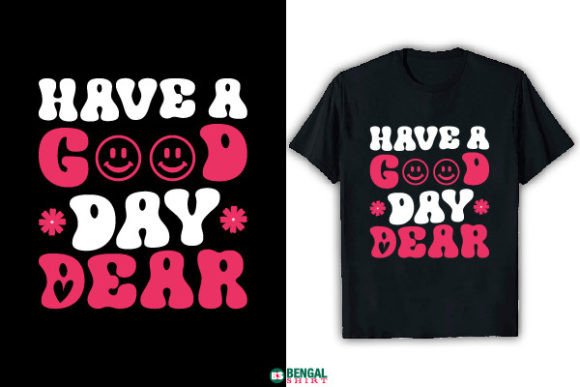
Typography t-shirt design relies on the power of words, fonts, and layout to convey an idea. The "Hiking is Just Walking" design operates in this space. It uses text as the primary, often sole, graphic element. The effectiveness of such a design hinges on the cleverness of the phrase, the choice of font—which can range from bold and rustic to clean and modern—and its placement on the garment. This minimalist approach is not about lack of effort; it's about distilled impact. For many buyers, it's a form of identity shorthand, a way to express a particular worldview or sense of humor without elaborate imagery.
This style of apparel art aligns perfectly with certain market segments. It appeals to those who enjoy dry wit, to seasoned hikers who appreciate the joke from an insider's perspective, and even to casual walkers who feel included by the sentiment. From a design and production perspective, typography-based designs like this are often highly adaptable. They translate well across different products—from t-shirts to mugs to bags—and are typically easier to prepare for various printing techniques, whether direct-to-garment, screen printing, or heat transfer.
From Concept to Commerce: The Workflow for Custom T-shirt Art
Bringing a design such as "Hiking is Just Walking" to market involves a specific workflow that many independent creators and small businesses follow. The process begins with the concept and creation of the vector artwork. High-quality source files are crucial. These include vector formats like AI, EPS, and SVG, which allow for infinite scaling without loss of quality, and high-resolution PNG files with transparent backgrounds for easy placement. A complete bundle, as often offered by designers, might contain files at 300 dpi in dimensions like 12" x 16" or 4500x5400 pixels, compressed into a ZIP archive for distribution.
Once a designer has such a bundle ready—containing the essential EPS, SVG, PNG, and PDF files—the next step is integration into a print-on-demand (POD) ecosystem. Platforms like Teespring, Amazon Merch, and Printful have revolutionized this space. A creator can upload these design files directly to these services. The POD platform then handles the inventory, printing, fulfillment, and customer service, while the designer or business owner focuses on marketing and sales. This model drastically lowers the barrier to entry for selling custom apparel.
Core Characteristics of Effective Merchandise Designs
What makes a t-shirt design not just good, but commercially viable? Several characteristics come into play, many of which are evident in successful typography-driven designs.
- Relatability: The message must connect with a recognizable experience or emotion. "Hiking is Just Walking" taps into a universal activity, reframing it with a twist.
- Versatility: Strong designs work on multiple garment colors and styles (men's, women's, crewneck, hoodie). Clean vector graphics ensure this flexibility.
- Scalability: As a vector graphic, the design maintains integrity whether printed on a small chest logo or as a large all-over print.
- Production-Ready Format: Providing layered, transparent, and properly sized files removes technical hurdles for printers.
These traits are essential not only for t-shirt designs but for the broader category of custom merchandise, encompassing mugs, pillows, bags, and other printable decorations. The underlying graphic asset is the key.
Applications Beyond the T-shirt: Expanding Product Lines
A robust design bundle enables more than just t-shirt printing. The same "Hiking is Just Walking" vector file can be applied to a wide array of products. This is a critical consideration for businesses looking to maximize a single design's potential. With a high-resolution PNG file with a transparent background, the design can be placed on:
- Coffee mugs and drinkware
- Throw pillows and home decor
- Tote bags and backpacks
- Hats and other accessories
- Digital printables for personal craft projects
This multi-use capability transforms a single design purchase into a toolkit for a whole merchandise line. It highlights the importance of acquiring complete, professional-grade files from designers who understand these end-use requirements.
Key Audiences and Use Cases for Ready-to-Print Designs
Who utilizes these design bundles, and why? The audience is broader than one might initially assume.
Independent Entrepreneurs and Small Businesses: Individuals starting a side business or brand often seek ready-made, quality designs to jumpstart their product offerings without the upfront cost of hiring a custom illustrator.
Content Creators and Influencers: Those building a community around a niche—like outdoor recreation, gaming, or a specific humor genre—might use relevant designs to create branded merch for their followers.
Hobbyists and Crafters: People with access to personal cutting machines (for vinyl) or home printers may use SVG cutting files and PNGs to create unique items for themselves, gifts, or local craft fairs.
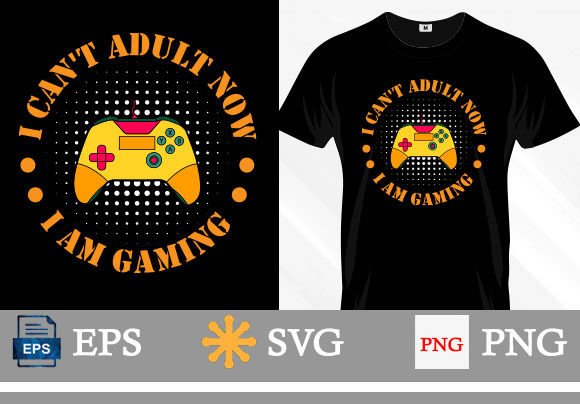
Existing Print-on-Demand Sellers: Even established POD sellers constantly refresh their catalogs. Purchasing bundles of themed designs—like a set of hiking-related or gaming-related typography artworks—is an efficient way to add new products.
For each of these users, the value proposition is clear: access to professionally created, legally clear (for resale) artwork that is technically prepared for immediate commercial or personal use.
Technical Considerations: File Formats and Their Purposes
A practical understanding of the file types included in a design bundle is vital for effective use.
- AI/EPS (Vector Files): These are the master source files. Ideal for professional graphic designers who may wish to make minor color or layout adjustments. They ensure perfect quality at any size.
- SVG File: A web-friendly vector format. Crucial for use with many online POD platforms and also the standard file type for many vinyl cutting machines used in craft applications.
- PNG File (Transparent Background): Perhaps the most commonly used file. The transparency allows the design to be placed on any colored product mockup without manual clipping. The high 300 dpi resolution ensures sharp print quality.
- PDF File: Acts as a reliable, viewable cross-platform document of the final design, useful for quick reference or in certain print workflows.
Receiving these files in a compressed ZIP folder is standard practice. Users typically extract them using built-in operating system tools or utilities like WinZIP or WinRAR.
Navigating the Marketplace for Graphic Assets
For those looking to explore design bundles—whether for a "Hiking is Just Walking" style typography piece, a detailed gaming graphic, or a custom logo—certain best practices apply. It is recommended to review a designer's full profile or portfolio. This provides insight into their style consistency, quality, and the breadth of their work. Observing their expertise across different themes—like outdoor apparel art, gamer t-shirt designs, and general typography—can indicate versatility.
Furthermore, understanding the intended use platforms is helpful. Some designs are optimized with specific color profiles or sizing for certain services. Recommendations often point toward major POD ecosystems like Teespring for its integrated storefronts, Amazon Merch for its vast marketplace reach, Printful for its integration with independent e-commerce sites, and of course, direct use for a personal business through local printers or craft production.
The ultimate goal is to acquire artwork that is not only visually appealing but also technically robust and commercially flexible. In the case of a deceptively simple design like "Hiking is Just Walking," its success lies in this combination: a clever, relatable message executed in a versatile, production-ready format. It serves as a functional case study in how effective typography and thoughtful file preparation meet the practical demands of today's merchandise and apparel market.