Father and Son Playful Moments in Design
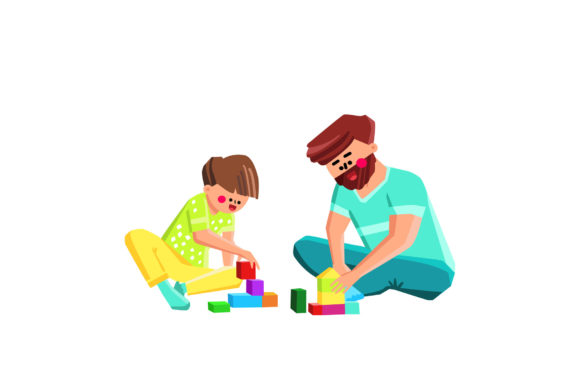
Imagine capturing a universal moment of joy and connection in a single, versatile image—a vector illustration of a boy kid and man parent playing together transcends mere decoration to become a powerful storytelling tool in visual design.
For designers, marketers, and content creators, such assets are invaluable. They embody themes of family, fun, learning, and togetherness, emotions that resonate deeply across audiences. The specific motif of a child son and father playing a block toy game in a children’s room offers a narrative-ready scene perfect for projects needing warmth and approachability.
The Strategic Value of Playful Vector Illustrations
Why does this specific visual style hold such weight in modern creative workflows? Flat cartoon illustrations, particularly in formats like EPS and JPG, offer unmatched flexibility. Their clean lines, scalable nature, and often vibrant color palettes make them ideal for maintaining brand consistency across countless applications.
Building a Cohesive Brand Identity
A well-chosen illustration can become a cornerstone of brand identity. For companies focusing on family products, educational services, or lifestyle brands, integrating a scene of playful interaction directly communicates core values. It can influence logo design, define a color palette, and set the tone for all subsequent marketing materials, from packaging design to digital marketing campaigns.
Enhancing User Experience & Engagement
In digital spaces like web design and UI design, imagery profoundly affects user perception and engagement. A fun, relatable illustration on a landing page or within an app interface can create an immediate emotional connection, reducing perceived complexity and encouraging interaction. It contributes to a positive user experience by making the environment feel friendly and human-centric.
Practical Applications Across Creative Projects
The utility of a high-quality vector asset like this extends far beyond a single use. Its scalability and format adaptability allow it to shine in various contexts without losing visual integrity.
- Social Media Graphics: Cropped or adapted, it can serve as engaging posts that highlight family-centric content or promotional campaigns.
- Editorial & Print Design: Use it in brochures, magazines, or books to visually break text and reinforce themes of childhood development or parental involvement.
- Advertising & Presentations: Its clear, narrative quality makes it effective for ad campaigns and professional slides, conveying concepts quickly and memorably.
- Merchandise & Packaging: Applied to product labels, t-shirts, or boxes, it instantly communicates the product’s audience and spirit.
Selecting and Implementing Design Assets Effectively
Choosing the right illustration isn't just about aesthetics; it's about strategic alignment. Consider these factors to ensure the asset elevates your project.
First, evaluate its composition and visual hierarchy. Does the focus clearly guide the viewer’s eye to the interaction between the characters? Second, assess its scalability. An EPS vector file allows for resizing without quality loss, crucial for everything from tiny app icons to large billboards. Finally, consider compatibility with your existing brand systems. Does its color palette harmonize with your brand colors? Can its style integrate with your other visual elements without clashing?
When implementing, remember that consistency is key. Use the asset as part of a larger visual language. Pair it with typography that matches its tone—perhaps a friendly, rounded sans-serif font for a playful feel, or a cleaner geometric font for a more modern, structured look. The illustration should not feel isolated but integrated, supporting the overall message and design goals.
Ultimately, thoughtful design choices like selecting a resonant, high-quality illustration of a father and son playing are investments in clearer communication and stronger emotional impact. Such creative assets do more than fill space; they connect, explain, and persuade, proving that in design, the right imagery is not just decoration—it’s a fundamental component of successful visual communication and brand storytelling.